This is the quick guide. In the app every superfood has its full profile: how to eat it, how much, and the recipes it appears in.
The ten Andean superfoods
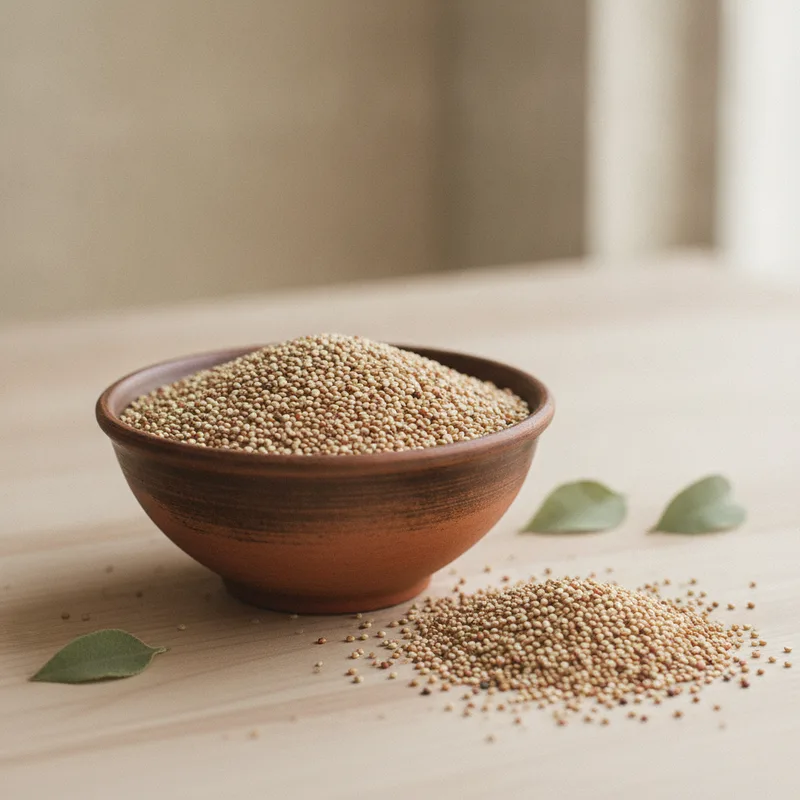
Quinoa
Andean Altiplano · Peru, Bolivia, Chile
One of the few plant grains with all 9 essential amino acids. A staple of the Andean diet for more than 5,000 years. Gluten-free, high in fiber and minerals.
How to use it: Cooked, as a base for bowls, salads or soups.
Guideline dose: ½ cup cooked, 3-4 times/week.
Rinse well before cooking to remove the saponins.
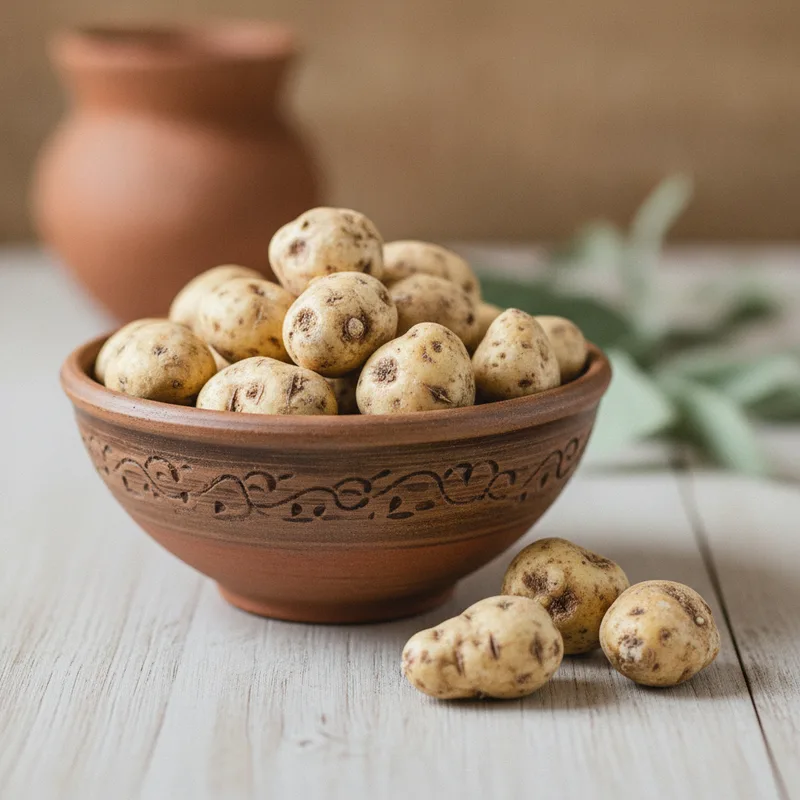
Maca
Peruvian Andes · 3,500–4,000 m above sea level
An adaptogenic root grown in the highest parts of the Andes. Used by pre-Inca civilizations. Known for its effect on energy and the hormonal system.
How to use it: Powder in smoothies, coffee, yogurt or cookies.
Guideline dose: 1-2 teaspoons a day (3-6 g).
Start with low doses so your body can adapt.
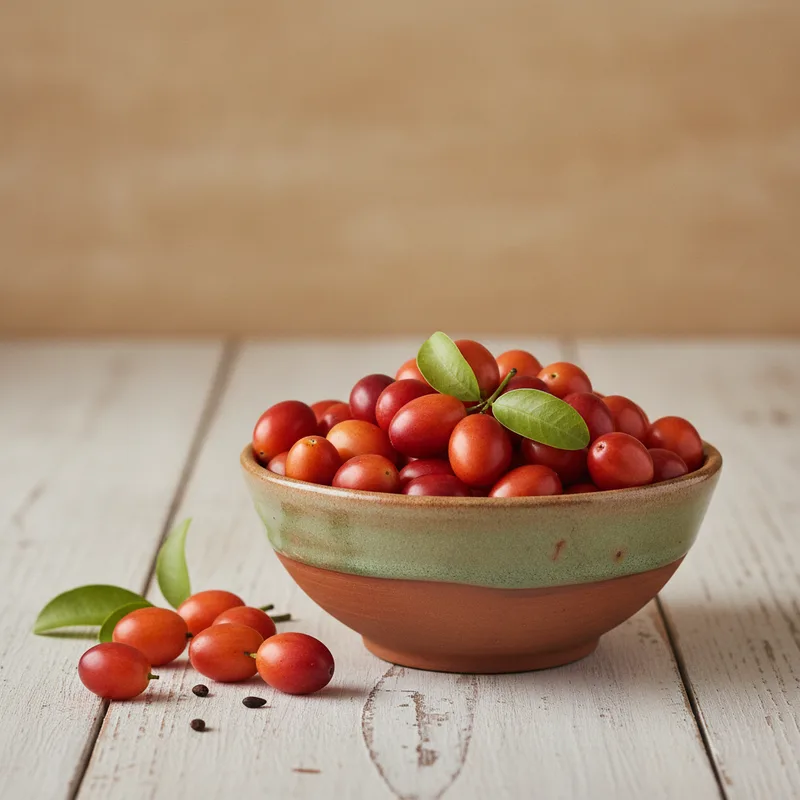
Camu camu
Peruvian Amazon · Wild fruit
A small reddish fruit that grows on the banks of Amazonian rivers. It has one of the highest concentrations of vitamin C recorded in natural fruits, significantly higher than an orange.
How to use it: Powder in juices, smoothies or as a supplement.
Guideline dose: 1-2 teaspoons a day (3-6 g).
Very tart flavor: mix it with other foods or juices.
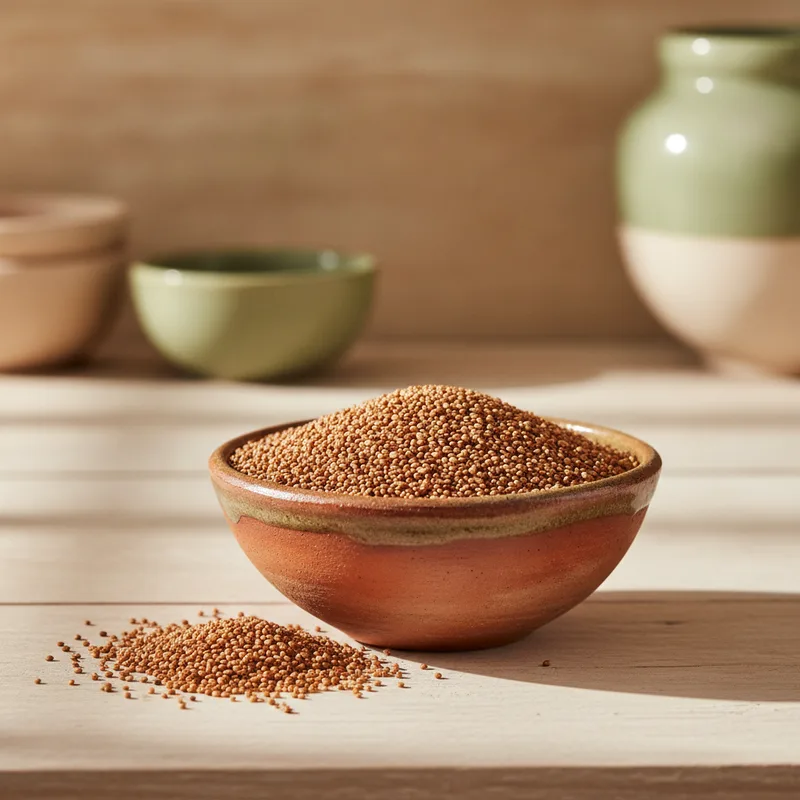
Cañihua
Peruvian and Bolivian Altiplano
A first cousin of quinoa, less known outside the Andes. A small, dark grain that has fed Altiplano communities for centuries. Lower glycemic index than rice.
How to use it: Cooked like rice, as flour in breads, or in soups.
Guideline dose: ½ cup cooked, 2-3 times/week.
Cooking time: 15-20 minutes.
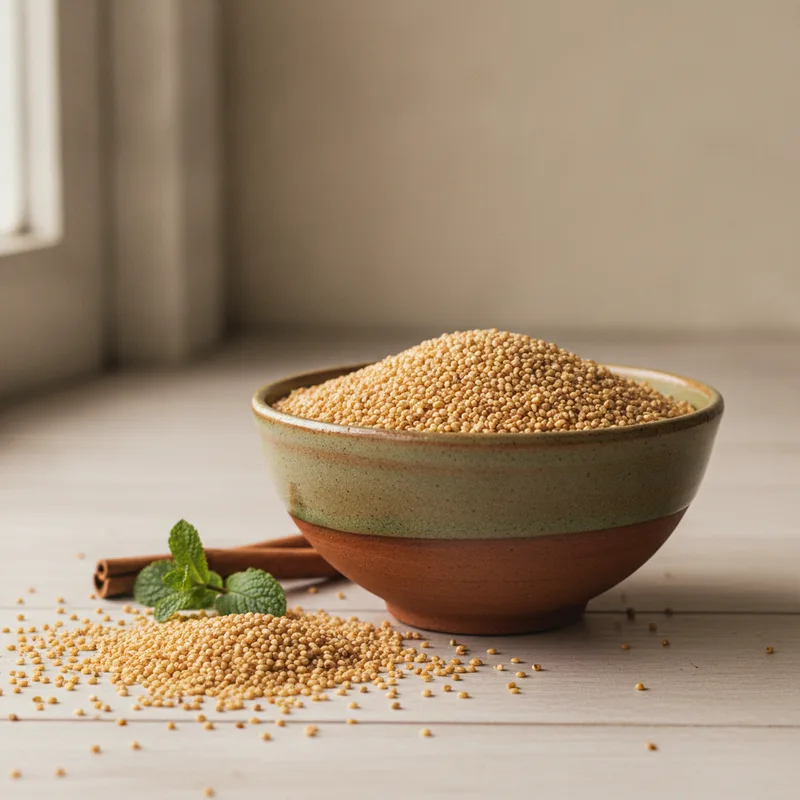
Kiwicha (amaranth)
Peruvian Andes · Ancestral grain
Also called Andean amaranth. An ancient grain with 16% protein. It stands out for its high lysine content, an amino acid that is scarce in other cereals. Gluten-free.
How to use it: Toasted as a cereal, as flour in baking, or sprouted.
Guideline dose: ¼ cup a day, toasted.
Toast before eating for better digestion.
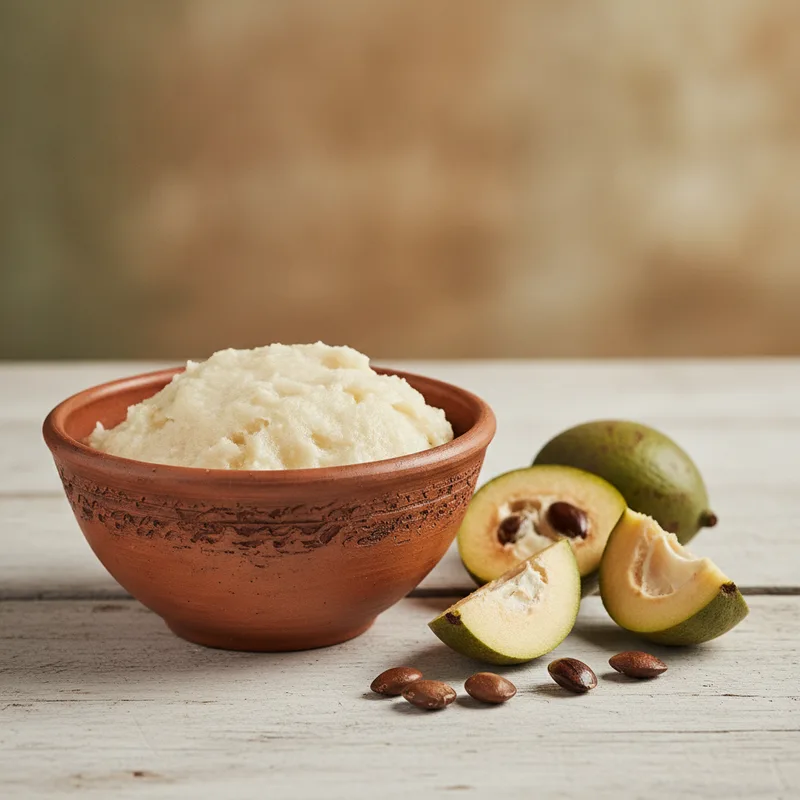
Lucuma (lúcuma)
Valleys of Peru · Northern Chile
A yellow-orange fruit with a natural vanilla and caramel flavor. Grown in the coastal valleys of Peru and northern Chile since pre-Columbian times. It sweetens without glucose spikes.
How to use it: Powder in desserts, ice cream, smoothies or coffee.
Guideline dose: 2-3 teaspoons (10-15 g) a day.
Store in a cool, dry place.
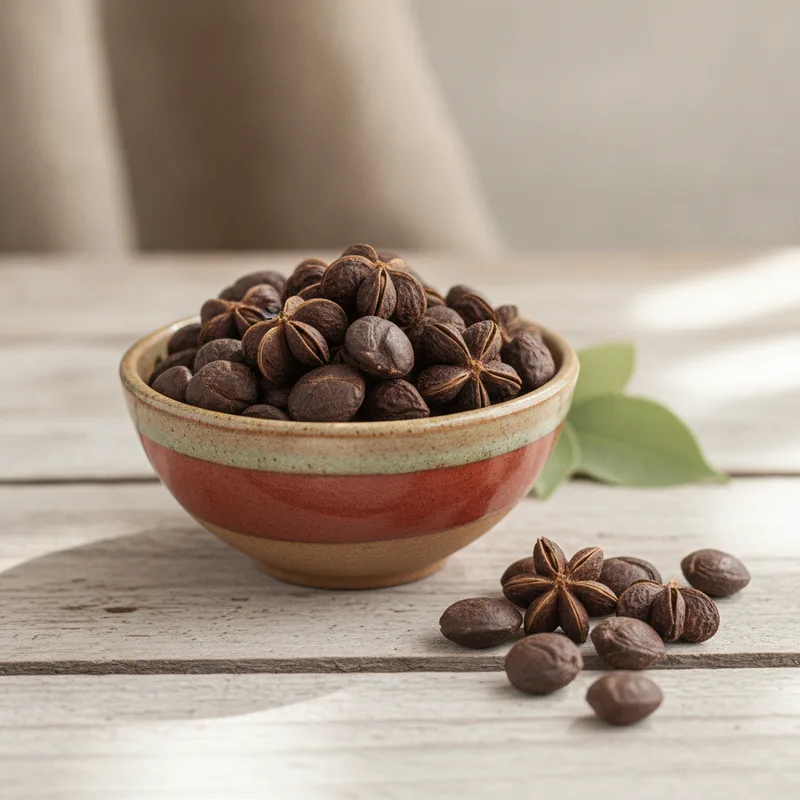
Sacha inchi
Peruvian Amazon · Mountain seed
The seed of an Amazonian vine with a very high content of plant-based omega-3 (48%). Complete protein. Known as "Inca peanut" in some Amazonian communities.
How to use it: Roasted as a snack, as oil on salads, or as flour in smoothies.
Guideline dose: 1-2 tablespoons a day (15-30 g).
The oil is heat-sensitive: do not cook it at high temperatures.
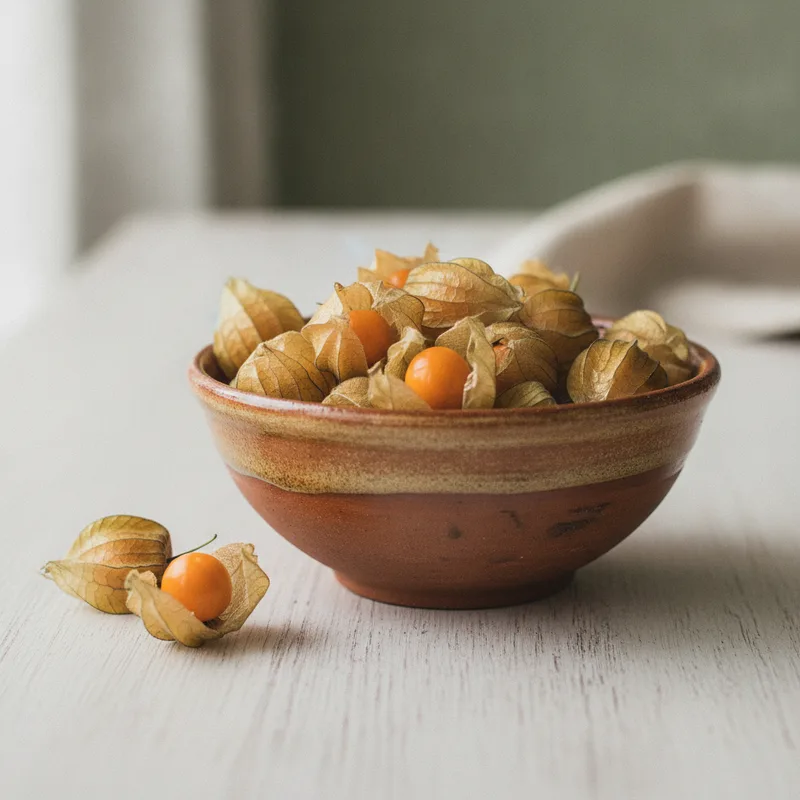
Golden berry (aguaymanto)
Peruvian Andes · Wild fruit
Also known as uchuva or physalis. A small fruit wrapped in a papery husk. It grows wild in the Peruvian Andes. Available in Chile mainly dried or imported.
How to use it: Fresh as a snack, dried, or in juices.
Guideline dose: A handful a day (30-50 g fresh).
Look for ripe fruit (yellow). Not easy to find in Chile.
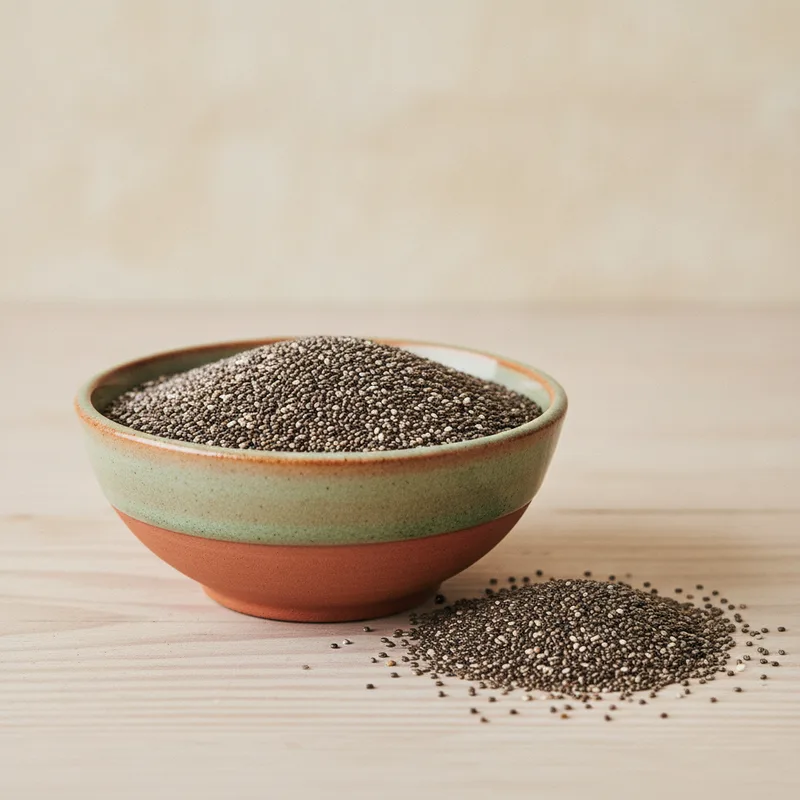
Chia
Mexico · Bolivia · Northern Argentina
A small seed that can absorb up to 12 times its weight in water, forming a gel that keeps you full longer. A plant source of omega-3 and soluble fiber.
How to use it: Soaked in milks, smoothies, pudding or salads.
Guideline dose: 2-3 tablespoons a day (15-20 g).
Soak for 30 min before eating for better digestion.
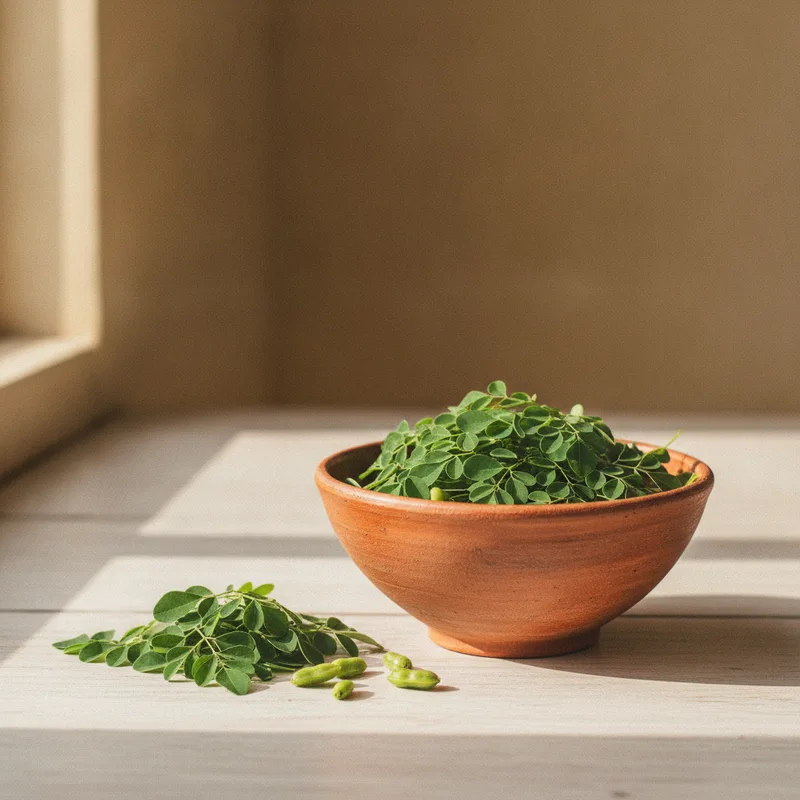
Moringa
Tropical tree · Adapted to equatorial valleys
A tree of Asian and African origin, widely grown in tropical areas of Latin America. Its leaves concentrate a dense variety of nutrients. In Chile it is found mainly as an imported powder.
How to use it: Powder in smoothies, teas, soups or water.
Guideline dose: 1 teaspoon a day (5 g).
Strong grassy flavor: mix it with flavorful foods.